
IBS: Food, Daily Habits and Comfortable Movement
Understand symptom patterns, food experiments and movement without turning every meal into a list of restrictions.
3 min readRead guide ↗
THE COMPLETE LIBRARY
Explore health conditions, nutrition, movement and recovery. Find a clear starting point for your next conversation with your healthcare team.
30 guides to explore
Understand symptom patterns, food experiments and movement without turning every meal into a list of restrictions.

A practical guide to recurring heartburn, with room for individual triggers and clear reasons to seek care.

Food, physical activity and follow-up work together. Progress is more than a single glucose reading.

Why measurement matters, how movement helps and why feeling fine is not a blood pressure check.

After a heart diagnosis, the right exercise plan builds confidence as well as capacity.
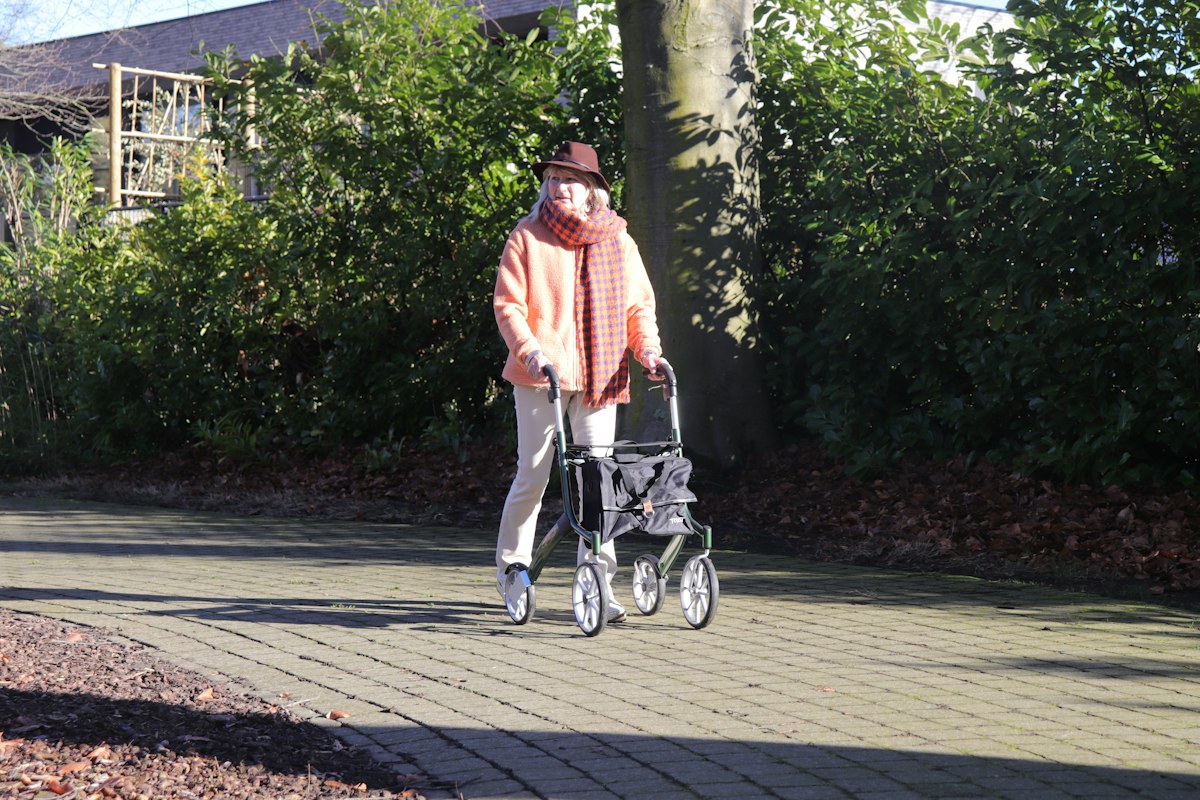
Recurring leg pain is worth investigating. Learn how peripheral arterial disease differs from an ordinary hard workout.

A practical introduction to pulmonary rehabilitation, pacing and recognising a change from your usual symptoms.

Protein, fluids and exercise need context. Avoid one-size-fits-all kidney diets and fitness advice.

Understand MASLD and focus on sustainable changes that support liver and metabolic health.

Movement can be part of symptom management. The right starting point matters more than a perfect exercise.

Early treatment and adaptable activity belong together. A flare is a reason to adjust, not blame yourself.

Understand when to keep moving, when to modify a session and when symptoms need urgent assessment.

A thoughtful introduction to resistance training, built around the movements you use in real life.

From a comfortable starting point to a routine that fits your day, your surroundings and your energy.

Small, supported movements to build confidence, with safety at the centre.

Gentle changes of position to interrupt long periods at a desk, without a complicated routine.

How to choose and adjust aerobic activity when comfort, confidence and consistency matter.

An activity routine works best when it fits your medicines, glucose patterns and complications.

Breathing control and pacing can support daily activity when used within an appropriate care plan.

A calmer evening and a realistic training schedule can support more consistent days.

A practical food-first approach to protein, variety and everyday eating.

Design a flexible routine around real life, not a perfect week that rarely happens.

A practical starting point for changing periods, hot flushes, sleep disruption and vaginal discomfort.

Learn when noisy sleep needs assessment and what a sleep study and treatment discussion can involve.

Build a gentle routine, avoid common irritation traps and know when acne needs professional treatment.

Understand bleeding gums, effective cleaning and the signs that deserve a dental appointment.

Practical ways to describe persistent worry, build manageable support and discuss treatment without self-blame.

A clear guide to weak urine flow, night-time trips, assessment and practical symptom tracking.

Plan for hot days, recognise heat exhaustion, and know when cooling and emergency help matter more than finishing a workout.

Learn where reliable B12 comes from, why a balanced plant-based diet still needs a B12 plan, and when symptoms need assessment.